


Portfolio Companies
Our portfolio features high-impact enterprises driving inclusive growth and sustainable development - strengthening livelihoods, expanding market access, and delivering measurable social and environmental impact through targeted technical assistance and catalytic capital.
Recent SME Partners
Daraja Impact

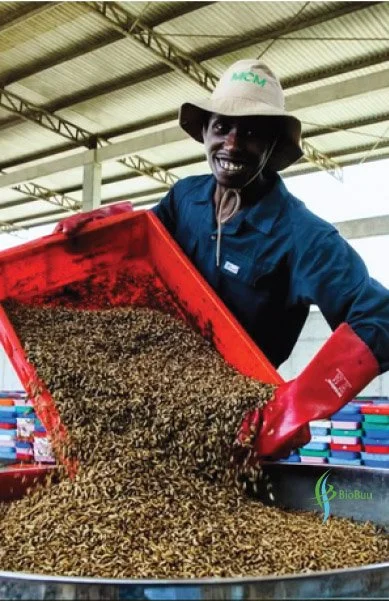
Company Summary: BioBuu transforms organic waste into high-value products using innovative processing methods, including compost, alternative fuels, and low-carbon materials that respond to environmental challenges and emerging industrial needs. Through a circular approach, the company diverts waste from landfills, reduces emissions, creates employment opportunities, and delivers sustainable solutions for businesses and communities. To date, BioBuu has diverted 45,000 tons of organic waste from landfills, achieved a 67% reduction in methane emissions compared to traditional disposal methods, and supplies compost used by over 350 agricultural operations to enhance soil health and crop productivity.
AMF's Partnership: AMF supports BioBuu through the Daraja Impact program with a focus on strengthening sustainable soil practices, expanding employment opportunities with an emphasis on recruiting women, and providing targeted training initiatives. This partnership enables BioBuu to scale its environmental impact, reinforce its circular economy model, and broaden its contribution to sustainable agriculture and inclusive economic development.

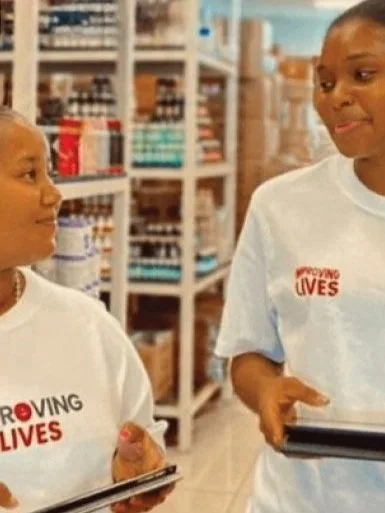
Company Summary: Established in 2022, Dawa Mkononi is a data-driven company focused on improving the quality of life and health of underserved communities in Tanzania by increasing access to and availability of medicines. Through its pharmaceutical distribution services and technology solutions, the company enables health facilities and pharmacies to reduce time spent on logistics and inventory management, allowing them to focus more on patient care. Dawa Mkononi aims to reach over 3,500 health facilities and pharmacies.
AMF's Partnership: AMF supports Dawa Mkononi through the Daraja Impact program with a focus on upgrading technological and administrative capacity, scaling operations and expanding reach to female patients, and strengthening internal capabilities through targeted capacity-building initiatives. This partnership enables the company to enhance operational efficiency, broaden access to essential medicines, and deepen its impact on underserved communities.

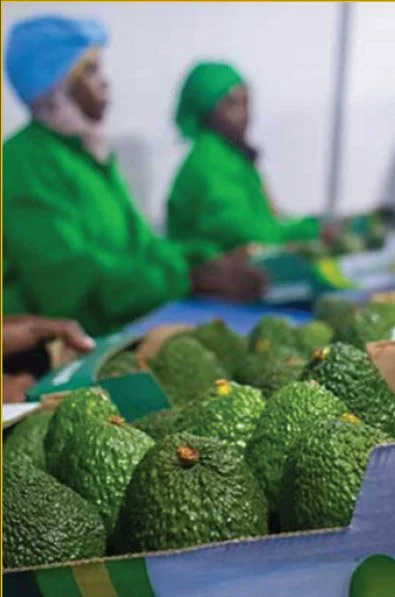
Company Summary: GBRI Solutions LTD is a Tanzania-based agribusiness co-founded with an initial capital of USD 300 that exports fresh produce sourced directly from local smallholder farmers. The company works closely with its farmer network to provide access to training, extension services, secure markets, and guaranteed income. By strengthening supply chains and promoting inclusive participation, GBRI creates pathways for women and youth to engage more meaningfully in agricultural value chains, supporting improved livelihoods and inclusive economic growth.
AMF's Partnership: AMF supported GBRI Solutions LTD through catalytic funding under the Daraja Impact program. This partnership focuses on establishing an oil processing facility, expanding training programs for female farmers, and adopting a traceability management system to strengthen supply chain transparency and efficiency. AMF’s support enables GBRI to scale its operations, reinforce farmer relationships, and enhance value addition, contributing to more resilient and inclusive agricultural supply chains in Tanzania.


Company Summary: Golden Pot is a Tanzania-based agribusiness founded in 2017 that specializes in value addition of maize, transforming it into affordable breakfast products for low- to middle-income consumers. The company sources maize directly from over 500 female smallholder farmers in the Manyara region, creating reliable market access while addressing malnutrition. By strengthening local value chains and reducing post-harvest losses, Golden Pot supports income growth for farmers and contributes to improved food security and livelihoods in rural communities.
AMF's Partnership: AMF supported Golden Pot through catalytic funding under the Daraja Impact program. This partnership focuses on strengthening Good Agricultural Practices (GAP) and food safety training, providing ongoing agronomist support, and creating reliable market linkages with fair pay for smallholder farmers. AMF’s support enables Golden Pot to deepen its engagement with female farmers, improve supply chain stability, and scale its impact in building a more inclusive and resilient maize value chain in Tanzania.

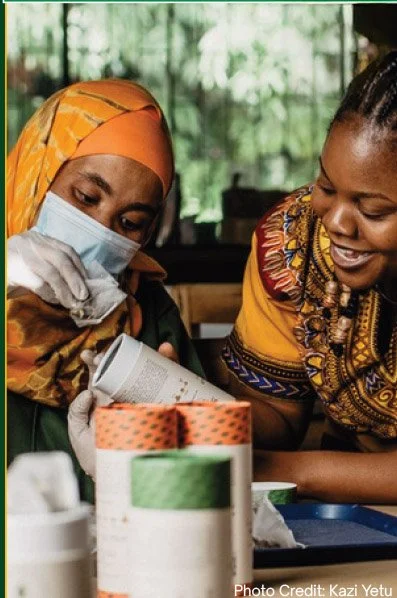
Company Summary: Kazi Yetu is a Tanzania-based, female co-founded social enterprise specializing in the production and distribution of premium artisanal teas, herbs, and spices. The company sources directly from smallholder farmers and is deeply committed to inclusive value addition within the agricultural sector. In 2023, Kazi Yetu established the first smallholder farmer–owned specialty tea factory in Tanzania through the Sakare Specialty Tea Company, enabling farmers to participate more actively in the tea value chain. By combining high-quality production with strong farmer partnerships, Kazi Yetu supports income diversification, improved livelihoods, and greater economic inclusion for rural communities.
AMF's Partnership: AMF supported Kazi Yetu through catalytic funding under the Daraja Impact program, using a Social Impact Incentive (SIINC) to align financial rewards with impact outcomes. This partnership focuses on expanding access to markets for smallholder farmers, strengthening training initiatives, and enhancing sustainable agricultural practices. AMF’s support enables Kazi Yetu to invest more confidently in its farmer network, reinforce inclusive value addition, and scale its impact across the specialty tea sector, contributing to improved incomes and long-term resilience for farming communities in Tanzania.

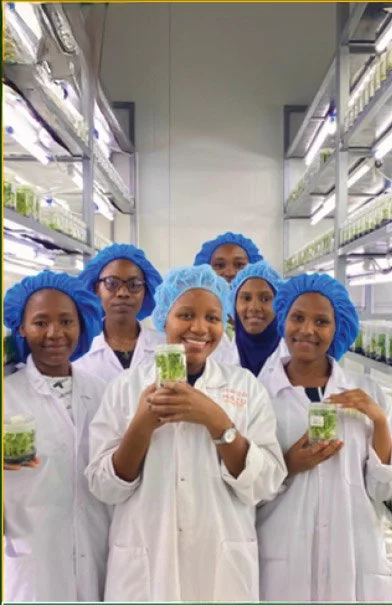
Company Summary: Maua Mazuri is a Tanzania-based agribusiness established in 2020 that operates a state-of-the-art tissue culture laboratory to provide disease-free plantlets to farmers across East Africa. With nurseries in Tanzania and Kenya, the company combines scientific expertise, practical farming knowledge, and commercial distribution to improve agricultural productivity and food security. Maua Mazuri places a strong emphasis on farmer training and women’s empowerment, ensuring that high-quality planting materials are paired with the knowledge needed for successful adoption and long-term impact.
AMF's Partnership: AMF supported Maua Mazuri through catalytic funding under the Daraja Impact program. This partnership focuses on expanding laboratory facilities, strengthening capacity building initiatives, and advancing female farmer education and market access. AMF’s support enables Maua Mazuri to scale the production and distribution of disease-free planting materials, enhance its technical and operational capacity, and deepen its impact on smallholder farmers, contributing to more resilient and productive agricultural systems in East Africa.

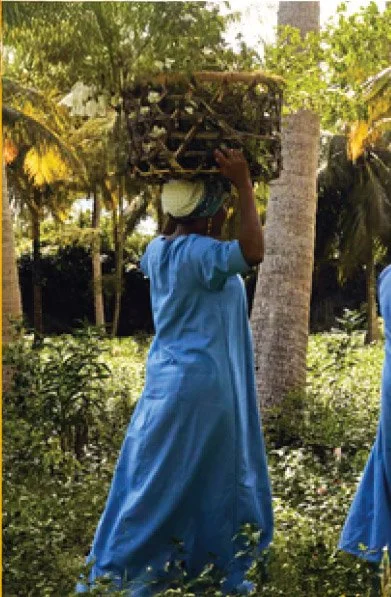
Company Summary: Mwani Zanzibar is a Tanzania-based social enterprise that creates high-performance skincare products using 100% natural, indigenous, and wild-harvested ingredients. The company is committed to building a regenerative blue economy by ensuring safe products, ethical working conditions, and environmental protection. Led by the Mwani “Mamas,” Mwani Zanzibar prioritizes local value addition by training artisans, keeping jobs in Africa, and sourcing from a broad network of local suppliers, while promoting women’s economic empowerment and sustainable coastal livelihoods.
AMF's Partnership: AMF supported Mwani Zanzibar through catalytic funding under the Daraja Impact program. This partnership focuses on strengthening impact measurement and management practices, increasing job opportunities for women, and expanding sourcing from female seaweed farmers. AMF’s support enables Mwani Zanzibar to scale its inclusive business model, reinforce environmental and social performance, and deepen its contribution to women’s financial autonomy and sustainable economic development in Zanzibar.

Company Summary: Victoria Finance PLC is a Tanzania-based, non-deposit-taking microfinance institution established in 2009 and rebranded in 2014. The company is dedicated to serving financially underserved communities through inclusive and gender-responsive lending. Victoria Finance offers tailored financing, repayment, and insurance products, complemented by financial literacy initiatives, to support women-led businesses and rural micro, small, and medium enterprises. Through its focus on responsible lending, the company plays a key role in closing rural financing gaps and expanding access to capital for smallholder farmers and entrepreneurs.
AMF's Partnership: AMF supported Victoria Finance through catalytic funding under the Daraja Impact program. This partnership focuses on strengthening monitoring and evaluation (M&E) capacity, expanding lending to female borrowers through the “Rise Up Queen” product, and scaling outreach through both conventional and digital channels. AMF’s support enables Victoria Finance to deepen its gender-lens approach, extend its reach to rural communities, and advance its objective of empowering up to 50,000 smallholder farmers while addressing Tanzania’s significant rural financing gap.

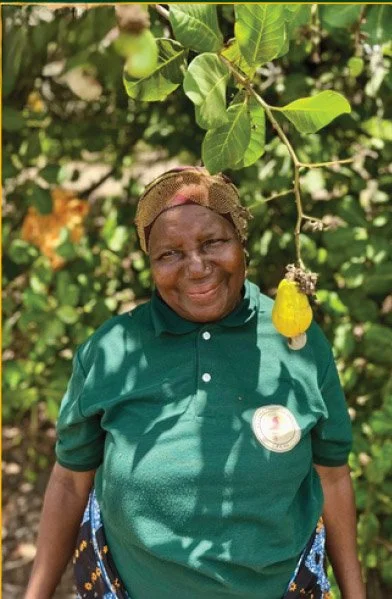
Company Summary: YYTZ Agro-Processing is a Tanzania-based agribusiness committed to building an inclusive and sustainable cashew nut value chain. The company works with over 4,500 smallholder cashew farmers in the Mtwara and Singida regions, the majority of whom are women. YYTZ sources high-quality cashews directly from farmers and processes them at its facility in Zanzibar, where cashews are sorted, roasted, flavored, and packaged. Through training in Good Agricultural Practices (GAP), food safety, and cashew health, YYTZ strengthens local value addition, increases farmer incomes, and improves livelihoods across the cashew-growing regions of Tanzania.
AMF's Partnership: AMF supported YYTZ Agro-Processing through catalytic funding under the Daraja Impact program. This partnership focuses on strengthening farmer partnerships and ensuring fair and reliable market access for smallholders, while expanding training programs in GAP and food safety. AMF’s support helps YYTZ deepen its engagement with farmers, improve supply chain stability, and reinforce inclusive value addition within the cashew sector, contributing to greater economic empowerment for women and more resilient agricultural value chains in Tanzania.
Green Growth Alliance

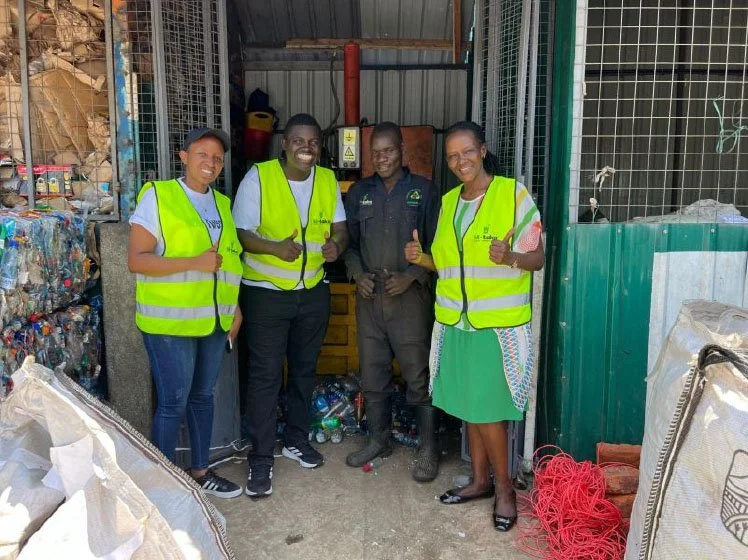
Company Summary: M-taka is a tech-enabled circular economy platform addressing Africa’s waste management challenges, with a strong focus on plastic pollution, uncollected solid waste, and related carbon emissions. Operating in Kenya, the company connects informal waste actors to digital tools and markets through its Material Recovery Facilities (MRFs) and buyback centers. M-taka diverts more than 40 tons of recyclable materials each month, reducing environmental pollution and emissions. Its revenue streams include the sale of recyclables, commissions from its digital marketplace, subscriptions to ERP/CRM tools, and advisory services focused on waste traceability and Extended Producer Responsibility (EPR) compliance. The company aims to scale its impact by replicating its MRF model, expanding digital infrastructure, and aligning with national EPR frameworks and carbon financing mechanisms.
AMF's Partnership: M-taka receives technical assistance through the Green Growth Alliance to strengthen its digital and operational infrastructure. The support focuses on enhancing its marketplace platform, improving data systems for waste traceability, and aligning its model with EPR regulations. Additionally, the partnership explores pathways to scale its impact through carbon financing and replication of its MRF model in new locations.

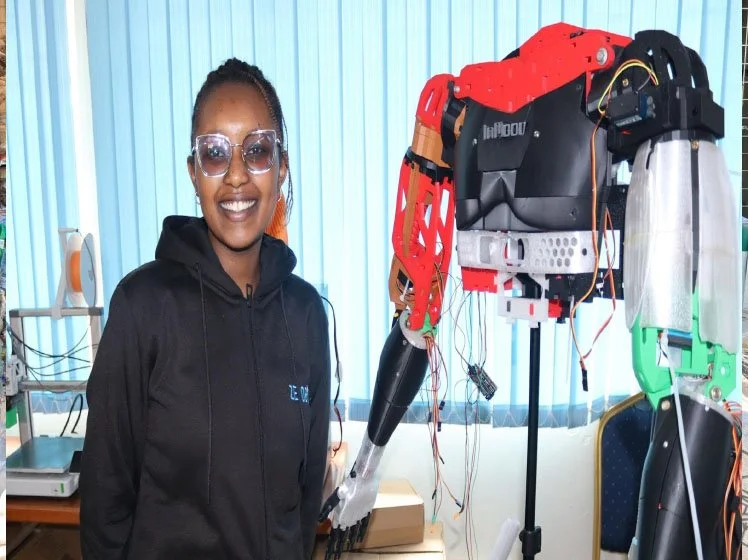
Company Summary: Zerobionic is a disability-led African startup that transforms plastic waste into AI-powered robotic exoskeletons designed to enable real-time sign language translation and transcription. Through a circular business model, the company collects and recycles plastic waste, converting it into 3D printing filament used to manufacture these assistive devices. Its technology supports inclusive education for deaf and hard-of-hearing students by translating STEM lessons into accessible formats, even in low-connectivity environments by compressing data from 4G to 2G signals. Zerobionic combines green manufacturing, accessibility, and innovation, partnering with schools, NGOs, and governments to scale its impact across Africa and beyond.
AMF's Partnership: Zerobionic receives technical assistance through the Green Growth Alliance to refine its business model at the intersection of circular economy and inclusive technology. The support focuses on strengthening its production and distribution strategy, validating use cases with institutional partners, and scaling access to its assistive devices across education systems. The partnership also contributes to positioning Zerobionic within impact-driven and climate innovation ecosystems.
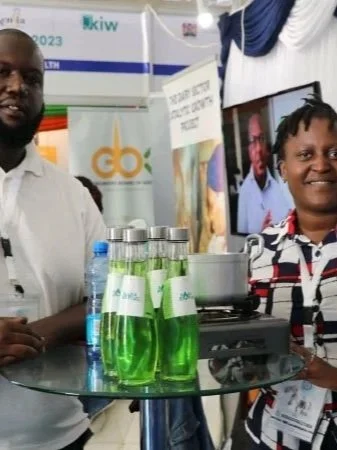
Company Summary: MOMA Renewable Energy addresses carbon emissions from polluting cooking fuels and the mismanagement of food waste in Kenya through a circular economy model. The company collects organic waste, primarily spoiled fruits and starches, from markets and food processors, and converts it into clean-burning bioethanol through fermentation and distillation. This solution replaces traditional biomass fuels and reduces methane emissions from landfills. MOMA generates revenue from the sale of bioethanol to households, institutions, and distributors, as well as from byproducts of the production process, including nutrient-rich digestate used as organic fertilizer and protein-rich solids for animal feed.
AMF's Partnership: MOMA Renewable Energy receives technical assistance through the Green Growth Alliance to optimize its circular production model. The support focuses on improving feedstock sourcing systems, increasing production efficiency, and strengthening distribution channels for bioethanol. In parallel, the partnership explores opportunities to quantify emissions reductions and connect the business with climate financing mechanisms.

Company Summary: Octavia Carbon is a pioneering climate technology company in the Global South focused on Direct Air Capture (DAC), a solution that removes CO₂ directly from the atmosphere for permanent underground storage. Based in Kenya, the company leverages the country’s abundant geothermal energy to power its operations, ensuring a low-carbon and cost-effective process. Its pilot initiative, Project Hummingbird, is designed to remove over 10,000 tons of CO₂ over ten years through a modular and scalable approach. By combining innovative carbon removal technology with renewable energy, Octavia Carbon is positioning itself as a key player in advancing scalable climate solutions in emerging markets.
AMF's Partnership: Octavia Carbon receives technical assistance through the Green Growth Alliance to support the scale-up of its DAC technology. The support focuses on strengthening its commercial strategy, advancing readiness for carbon markets, and refining its positioning within global carbon removal ecosystems. The partnership also contributes to identifying financing pathways to accelerate deployment.

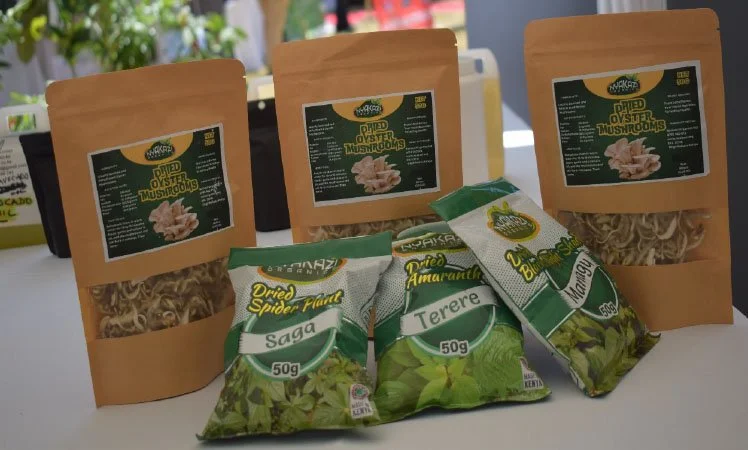
Company Summary: Nyakazi Organics promotes biodiversity conservation as a core strategy to address climate change, working closely with smallholder farmers across Kenya to restore ecological balance. The company implements organic and regenerative farming practices, emphasizing crop diversity through intercropping and the use of indigenous plant varieties to naturally improve soil health, manage pests, and increase carbon sequestration. Nyakazi Organics also prioritizes the preservation of native seeds, contributing to long-term food security in the face of climate variability. Its main revenue stream comes from processing, packaging, and selling dried vegetables for both local and export markets.
AMF's Partnership: Nyakazi Organics receives technical assistance through the Green Growth Alliance to deepen its regenerative agriculture model across farmer networks. The support focuses on strengthening farmer training systems, improving traceability of sustainably grown products, and reinforcing biodiversity-driven practices. The partnership also supports the expansion of market access for climate-resilient crops.

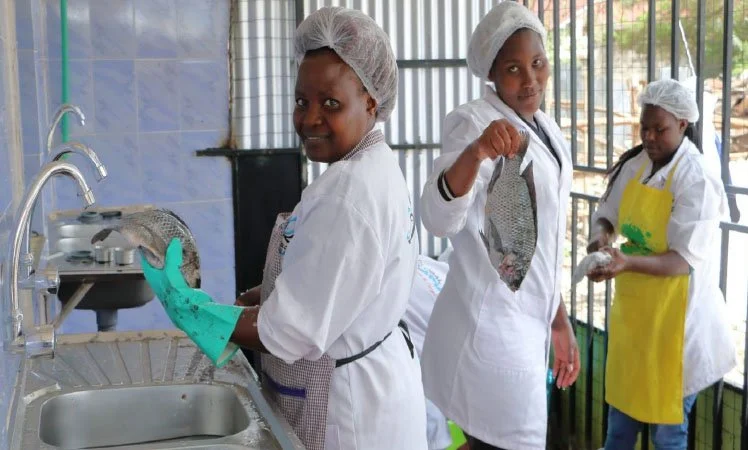
Company Summary: Camino Ruiz Agencies reduces post-harvest fish losses by upcycling off-cuts into value-added products such as fish balls and pâtés, following a zero-waste approach. The company localizes fish processing to reduce emissions from transport and integrates the value chain through a B2B2C model that connects fish farming communities with markets. Its operations include farmer training, circular product innovation, and exploration of renewable energy solutions for processing and storage.
AMF's Partnership: Camino Ruiz Agencies receives technical assistance through the Green Growth Alliance to strengthen its integrated value chain and circular production model. The support focuses on improving processing efficiency, enhancing product development, and reinforcing linkages with small-scale producers. The partnership also contributes to advancing its sustainability strategy, including the adoption of renewable energy solutions and gender-inclusive practices within its operations.

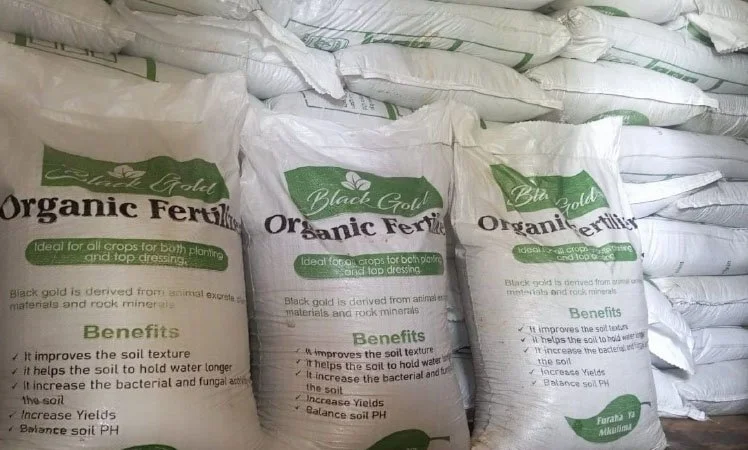
Company Summary: Organic Kenya Limited addresses food insecurity, low income, and the high cost of synthetic fertilizers for smallholder farmers in Kenya. The company’s primary revenue comes from the production and sale of organic fertilizer products. It transforms agricultural waste such as rice husks, cow urine, and animal manure into value-added fertilizers through processes including carbonization, fermentation, and composting. This provides a cost-effective and sustainable solution for restoring soil health and improving crop productivity. The business relies on a predominantly women-led distribution network to reach smallholder farmers and promote access to eco-friendly agricultural inputs.
AMF's Partnership: Organic Kenya Limited is supported through a partnership focused on strengthening sustainable agricultural practices and improving access to organic inputs for smallholder farmers. The collaboration aims to enhance soil regeneration solutions, reinforce efficient use of agricultural waste streams, and expand the reach of eco-friendly fertilizers through existing distribution networks. It also contributes to building more resilient farming systems that reduce dependence on synthetic fertilizers and improve long-term productivity.
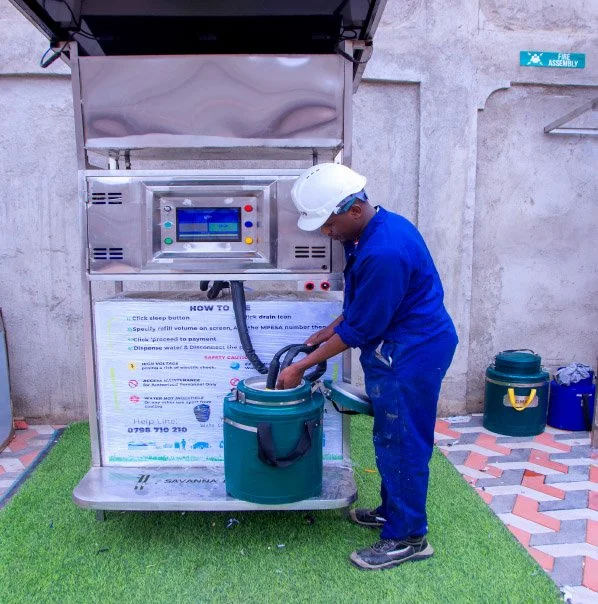
Company Summary: Savanna Circuit Technologies (SCT) provides solar-powered, climate-smart cooling solutions for East Africa’s food systems. The company manufactures and deploys an end-to-end cooling ecosystem, SOLARTHRIVE, which includes solar-powered Ice Water Dispensers (IWDs), Nomad Cans for passive cooling, and MaziwaPlus PRO, a mobile bulk chiller mounted on electric vehicles. This infrastructure enables “cooling on the go,” preserving perishable goods such as milk and fish during transport from remote areas. SCT operates under a Cooling-as-a-Service (CaaS) model, where farmers pay only for the ice water they use, significantly reducing cooling costs. The business follows a B2B model, partnering with cooperatives, processors, and institutions across dairy and fisheries value chains, with the goal of scaling production, expanding distribution, and strengthening last-mile cold chain resilience.
AMF's Partnership: Savanna Circuit Technologies is supported through a partnership focused on strengthening climate-resilient cold chain infrastructure and improving access to sustainable cooling solutions in underserved areas. The collaboration aims to enhance the deployment of solar-powered systems, support the scaling of the Cooling-as-a-Service model, and improve efficiency across dairy and fisheries value chains. It also contributes to reducing post-harvest losses and emissions while expanding access to affordable, low-carbon cooling technologies.

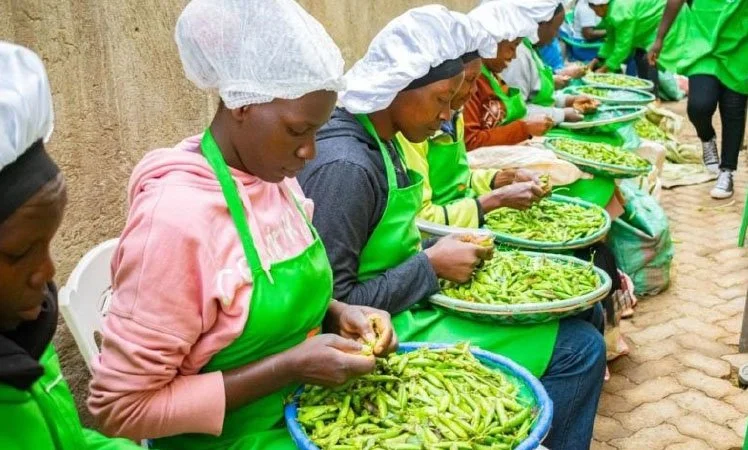
Company Summary: Nyota tackles interconnected climate issues across Kenya’s agricultural value chain, including carbon emissions, food waste, soil degradation, and unsustainable energy use, aiming to build climate resilience and reduce environmental impact. The company addresses post-harvest food loss by freezing and canning vegetables and legumes, extending shelf life to 12–24 months and significantly reducing waste and associated emissions. Nyota is transitioning its processing energy from LPG gas to biomass briquettes made from organic waste, lowering carbon emissions and improving resource circularity. The business is also exploring solar-powered cold storage and more efficient production systems to reduce reliance on fossil fuel-based electricity. In parallel, Nyota trains its partner smallholder farmers in regenerative agriculture practices to restore degraded soils, reduce chemical runoff, and improve yields sustainably.
AMF's Partnership: Nyota Limited receives support aimed at accelerating the transition toward low-emission food processing and more resilient agricultural systems. The partnership focuses on improving post-harvest efficiency, strengthening the shift from fossil fuels to renewable and waste-derived energy sources, and reinforcing regenerative agriculture practices among smallholder farmers. It also supports the development of more sustainable cold storage and production systems that help reduce food loss and environmental impact across the value chain.

Women in Sustainable
Energy and Entrepreneurship (WISEe)
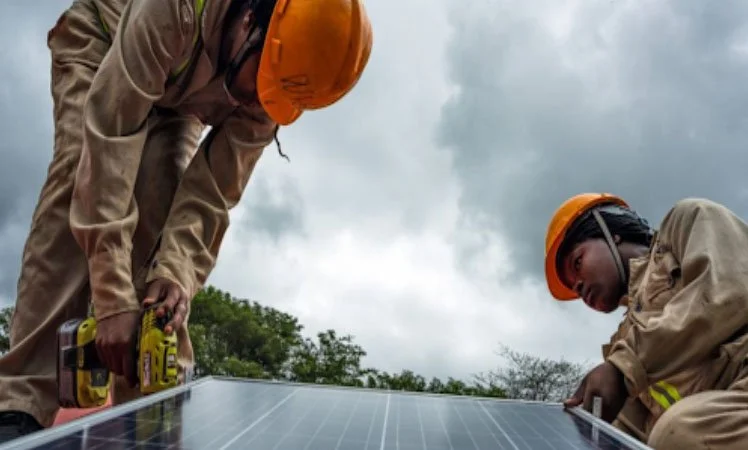
Company Summary: Women in Sustainable Energy and Entrepreneurship (WISEe) promotes sustainable energy solutions that reduce reliance on fossil fuels and mitigate environmental degradation. The organization provides solar-powered solutions to schools and communities, ensuring access to reliable and clean energy while lowering carbon emissions. WISEe also supports off-grid energy systems that strengthen community resilience against climate-related disruptions. A core focus of the organization is women-centered climate action, designing and promoting energy solutions that enable women entrepreneurs to adopt clean energy in their businesses and households. These initiatives also help reduce dependence on kerosene and firewood, contributing to lower deforestation rates and improved indoor air quality.
AMF's Partnership: WISEe is supported through a partnership focused on expanding access to clean and decentralized energy solutions in underserved communities. The collaboration aims to strengthen the deployment of solar and off-grid energy systems, enhance energy access for schools and local enterprises, and reinforce women-led entrepreneurship in the clean energy space. It also contributes to reducing fossil fuel dependence and advancing climate resilience through scalable, community-based energy models.

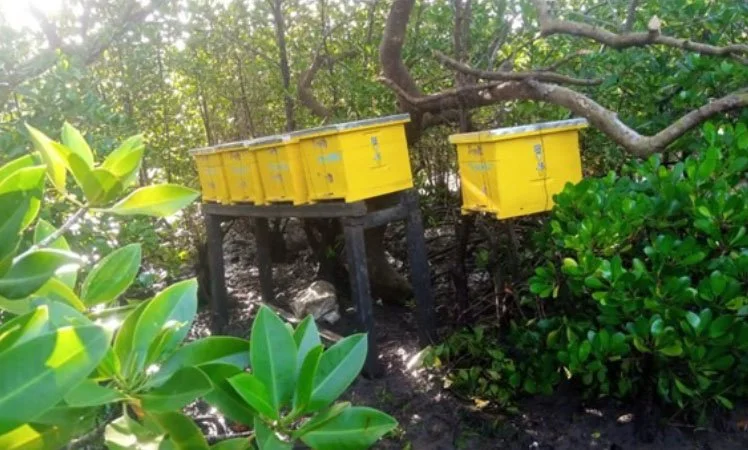
Company Summary: Yatta Beekeepers tackles biodiversity loss and land degradation in Kenya’s arid and semi-arid regions, challenges intensified by erratic weather patterns and deforestation that threaten bee populations and essential pollination services. The business focuses on sustainable beekeeping and agroforestry, actively planting and conserving over 50,000 indigenous, drought-resistant flowering trees that support carbon sequestration, improve soil health, and provide sustainable nectar sources while helping combat deforestation. Yatta Beekeepers also trains smallholder farmers, women, and youth in climate-resilient beekeeping practices, including water supplementation, strategic hive placement, and pest monitoring. In addition, it sells locally manufactured beekeeping equipment and harvesting kits, strengthening community economic resilience in the face of climate variability.
AMF's Partnership: Yatta Beekeepers is supported through a partnership aimed at strengthening climate-resilient livelihoods and restoring ecosystem services in vulnerable regions. The collaboration focuses on expanding sustainable agroforestry systems, improving biodiversity conservation through indigenous tree planting, and enhancing climate-smart beekeeping practices among smallholder farmers, women, and youth. It also supports local value chain development through beekeeping equipment production and training, contributing to more resilient rural economies and improved environmental outcomes.
Organic Fertilizer

Company Summary: AgriCentric Ventures is a Ghana-based agribusiness that produces eco-friendly bio-solutions, including biofertilizers, biopesticides, and biochar, using agricultural waste such as cocoa husks and fruit residues. The company works closely with farmers, government bodies, and development organizations to reduce production costs, increase farm-level revenues, and build climate resilience. By promoting sustainable and regenerative farming practices, AgriCentric Ventures supports smallholder farmers in remote areas to improve soil health, crop productivity, and long-term agricultural sustainability.
AMF's Partnership: AMF supported AgriCentric Ventures through technical assistance under the Organic Fertilizer Project funded by GIZ (WE4F). This partnership enabled the company to strengthen its production infrastructure, establish two new production facilities, and train over 580 farmers and 32 agricultural officers in sustainable soil and fertilizer practices. As a result of this support, AgriCentric Ventures helped farmers reduce production costs by more than 50% while achieving higher crop yields and improved soil performance. AMF’s engagement contributed to strengthening the company’s operational capacity and impact delivery, positioning it for continued growth and broader adoption of organic fertilizer solutions.

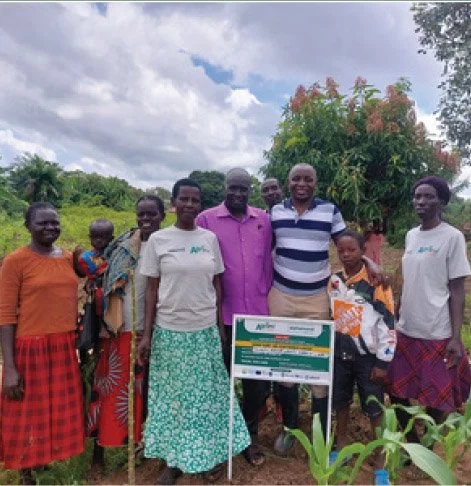
Company Summary: Agrisol Limited is a Uganda-based agribusiness that provides integrated solutions for smallholder farmers through the production of Bokashi organic fertilizer, the supply of seeds and crop protection products, and hands-on farmer training. The company operates community-based demonstration sites and works with lead farmers to promote agroecological and climate-resilient farming practices. By combining high-quality inputs with practical knowledge, Agrisol supports farmers to improve productivity, operate more profitable farms, and contribute to sustainable local development.
AMF's Partnership: AMF supported Agrisol Limited through technical assistance under the Organic Fertilizer Project funded by GIZ (WE4F). This partnership enabled Agrisol to expand farmer training programs, reaching over 1,600 farmers, including youth and persons living with disabilities, and to establish partnerships with more than 50 farmer groups. As a result, participating farmers achieved maize yield increases of up to 147% through the adoption of Good Agricultural Practices, Bokashi fertilizer, and improved seed quality. AMF’s support strengthened Agrisol’s operational capacity and reinforced its role as a key provider of sustainable agricultural solutions for smallholder communities in Uganda.


Company Summary: BioProtect is a Burkina Faso–based agribusiness that produces organic fertilizers and biopesticides using locally sourced materials. The company promotes sustainable and regenerative agriculture through demonstration farms, farmer training programs, and partnerships with research laboratories to develop solutions that protect crops, soil, and human health. By offering accessible alternatives to chemical inputs, BioProtect supports smallholder farmers across West Africa to improve productivity, soil resilience, and climate adaptation outcomes.
AMF's Partnership: AMF has supported BioProtect through targeted technical assistance under the Organic Fertilizer Project funded by GIZ (WE4F). This support enabled BioProtect to scale its production capacity, acquire new equipment, and expand farmer training programs. As a result of this partnership, BioProtect trained over 1,400 farmers and 35 trainers, developed 13 fertilizer formulas, and increased tomato yields to 57% above the national average. AMF’s support also strengthened BioProtect’s organizational capacity and market readiness, helping the company respond to growing demand for sustainable fertilizer solutions while reinforcing its attractiveness to partners and investors.

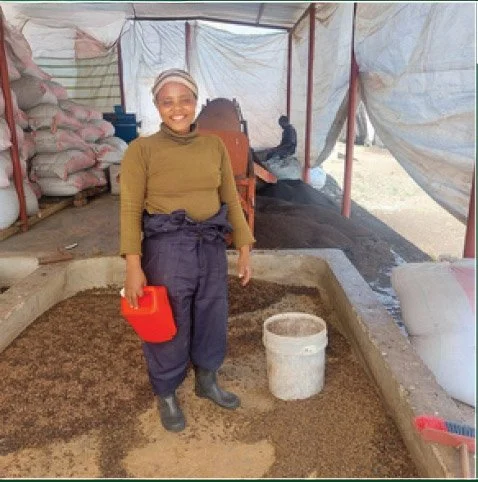
Company Summary: Chanzi is a Tanzania- and Kenya–based agribusiness that uses Black Soldier Fly larvae to convert food waste into protein-rich animal feed and frass fertilizer. By reducing dependence on fishmeal and soy while promoting organic waste management, Chanzi delivers sustainable, locally sourced agricultural inputs. The company works with smallholder farmers and waste aggregation networks across East Africa, supporting circular economy models that improve farm productivity, reduce environmental pressure, and strengthen local food and feed systems.
AMF's Partnership: AMF supported Chanzi through technical assistance under the Organic Fertilizer Project funded by GIZ (WE4F). This partnership enabled the company to expand its production infrastructure by increasing frass fertilizer output from 2 to over 3 metric tons per day, building additional grow houses, and procuring new machinery. AMF’s support also contributed to the training of 300 farmers and reinforced Chanzi’s operational capacity, helping the company scale its circular production model and extend its impact among smallholder farmers in East Africa.
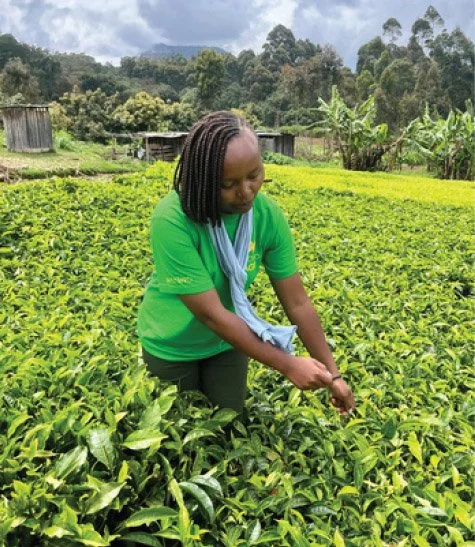

Company Summary: InsectiPro is a Kenya-based agribusiness that upcycles organic waste into protein-rich animal feed and organic fertilizer through the use of Black Soldier Fly larvae. Its fertilizer product, Fertigro, contains chitin, which acts as a natural pesticide, delivering dual benefits for soil health and plant protection. By operating insect-rearing facilities and partnering with distribution hubs, InsectiPro provides sustainable, locally produced solutions that support circular economy models while improving access to affordable agricultural inputs for smallholder farmers.
AMF's Partnership: AMF supported InsectiPro through technical assistance under the Organic Fertilizer Project funded by GIZ (WE4F). This partnership enabled the company to expand production capacity, strengthen distribution partnerships, and train nearly 1,000 farmers in the use of organic fertilizers. As a result, InsectiPro increased its fertilizer production to 5.5 tons per day and reported improved crop yields among participating farmers. AMF’s support also contributed to reinforcing internal capacity, gender inclusion practices, and market reach, positioning InsectiPro to scale its circular production model and deepen its impact across Kenya’s agricultural sector.

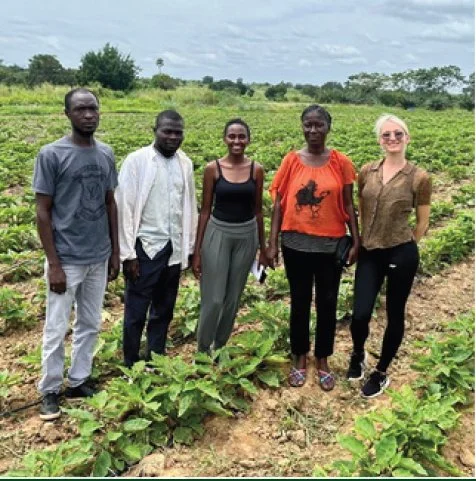
Company Summary: LONO is an agribusiness based in Côte d’Ivoire that transforms agricultural and livestock waste into organic fertilizer, compost, and biochar through engineered fermentation systems and small-scale, cooperative-run production sites. By converting organic waste into valuable agricultural inputs and energy solutions, LONO helps farmers and agro-industrial clients maximize resource efficiency, reduce environmental impact, and adopt more sustainable farming practices. The company plays a key role in strengthening circular economy models and supporting climate-resilient agriculture in West Africa.
AMF's Partnership: AMF supported LONO through technical assistance under the Organic Fertilizer Project funded by GIZ (WE4F). This partnership enabled LONO to expand its compost production capacity to 250 metric tons per month, install four compost production units within cooperatives, and train over 650 farmers in sustainable soil management practices. AMF’s support helped LONO strengthen its operational capacity and deepen its engagement with smallholder farmers, positioning the company to scale its circular production model and increase its contribution to resilient and inclusive agricultural systems.
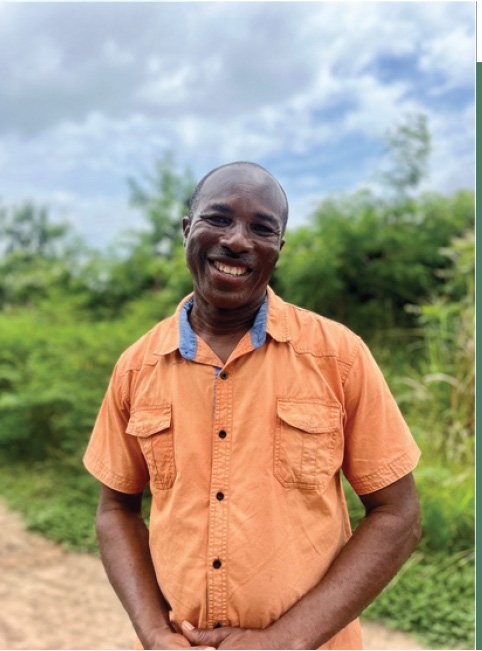
Company Summary: Sabon Sake is a Ghana-based agribusiness that manufactures biochar-based soil blends by upcycling locally sourced biomass waste through custom-designed pyrolysis units. Its organic soil boosters are designed to improve soil structure, enhance drought resilience, and increase carbon storage, contributing to the restoration of degraded land. With a strong focus on regenerative agriculture, Sabon Sake equips smallholder farmers with climate-resilient tools and practical knowledge to accelerate soil regeneration and establish active carbon sinks.
AMF's Partnership: AMF supported Sabon Sake through technical assistance under the Organic Fertilizer Project funded by GIZ (WE4F). This partnership enabled the company to expand its production capacity by fabricating two pyrolysis units and mixers, strengthen community partnerships across 45 farmer groups, and train over 740 farmers in regenerative and climate-resilient agricultural practices. Laboratory testing showed improvements in soil pH, organic carbon, water retention, and key nutrients (N, P, K), supporting higher yields, stronger plant growth, and enhanced carbon sequestration. AMF’s support helped Sabon Sake consolidate its operational capacity and deepen its impact on sustainable land restoration and resilient food systems.

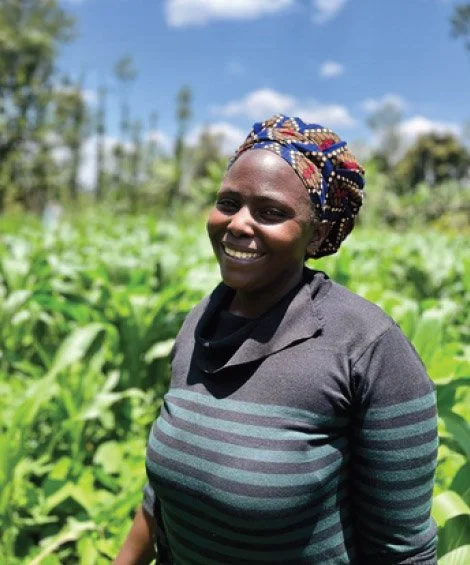
Company Summary: Safi Organics is a Kenya-based agribusiness that produces carbon-negative biofertilizers from agricultural waste, reducing reliance on imported chemical fertilizers and supporting localized, sustainable production. Through a combination of proprietary hardware technology and a real-time online control system, Safi Organics enables decentralized manufacturing of organic fertilizers in rural villages. Its flagship product, Safi Sarvi, improves soil health, enhances moisture retention, and reduces the need for chemical inputs and irrigation, empowering smallholder farmers to adopt more resilient and climate-smart agricultural practices.
AMF's Partnership: AMF supported Safi Organics through technical assistance under the Organic Fertilizer Project funded by GIZ (WE4F). This partnership helped Safi Organics strengthen its production systems, expand distribution partnerships, and train nearly 1,000 farmers in the use of organic fertilizers. As a result, the company increased its production capacity by 20% to 5.5 tons per day, while 86% of trained farmers reported improved crop yields. AMF’s support also reinforced Safi Organics’ internal capacity and gender-inclusive practices, positioning the company to scale its decentralized production model and deepen its contribution to climate-resilient agriculture in Kenya.
Renewable Energy
Company Summary: Amped Innovations (‘Amped’) designs solar appliances to improve energy efficiency at affordable consumer prices. While previously focused on solar lighting and television kits, the company now applies the same design approach to solar refrigerators. Amped has operations in both Kenya and Uganda and has sold over 110,000 solar lighting and television sets across 20 countries.
AMF's Partnership: AMF provides Amped with TA through the WE4F pogram. This TA allows Amped to research, design, and test a prototype of a solar refrigerator, which uses a water-battery. This solar refrigerator will eventually enable farmers to access affordable refrigeration for food storage, which will in turn reduce waste and increase their income. Amped is currently halfway through the WE4F program and has received the fridge prototype that will eventually undergo testing before production. Ultimately, by developing this prototype, Amped will be able to show traction with its target market and provide prospective investors with reasonable financial projections for this innovative product.
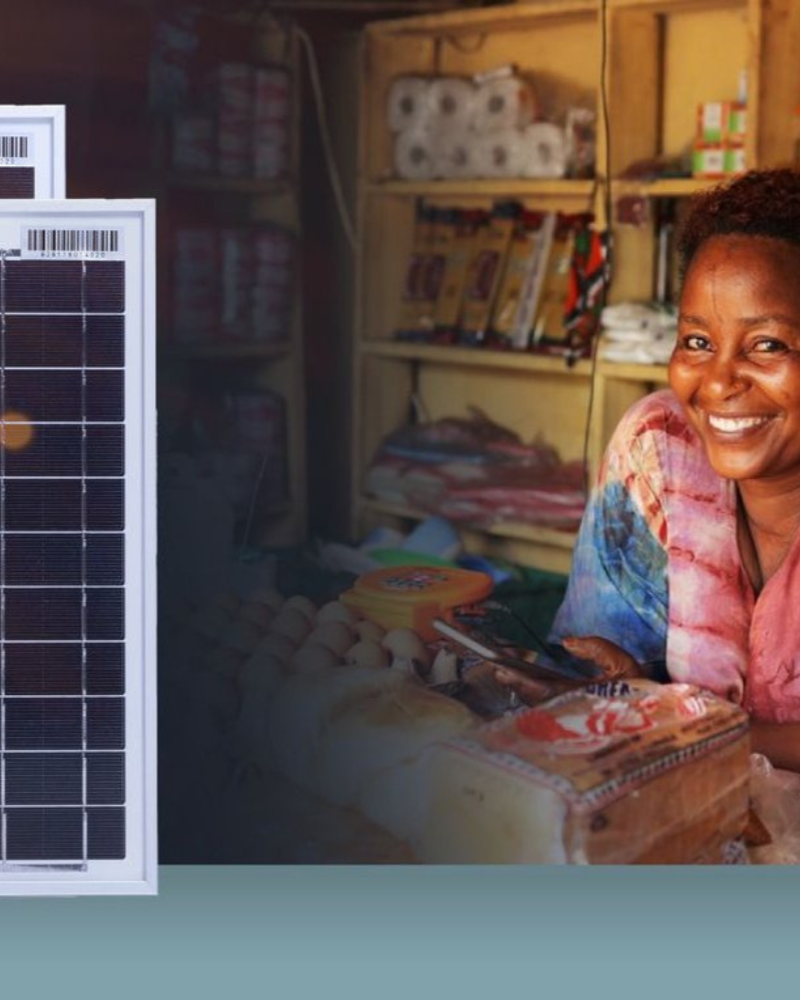


Company Summary: REDAVIA is an industry leader in solar power and provides solar farms to businesses in sub-Saharan Africa. Their innovative 'pay-as-you-go' system consists of a pre-configured solar unit, which contains solar modules and electrical components. Once the unit is on-site, REDAVIA trains local specialists who manage the installation, operations, and maintenance of each solar farm making it easy to use and upkeep.
AMF's Partnership: AMF has provided REDAVIA with TA through both the WE4F and DeveloPPP programs. With WE4F, REDAVIA is developing an Electricity Storage (ES) and Energy Management System (EMS) for farmers’ solar farms, thus making them independent from national electricity grids and increasing access of its technology to smallholder farmers. With DeveloPPP, REDAVIA is mainstreaming gender into its operations. This includes implementing two gender and business-smart strategies within the company.

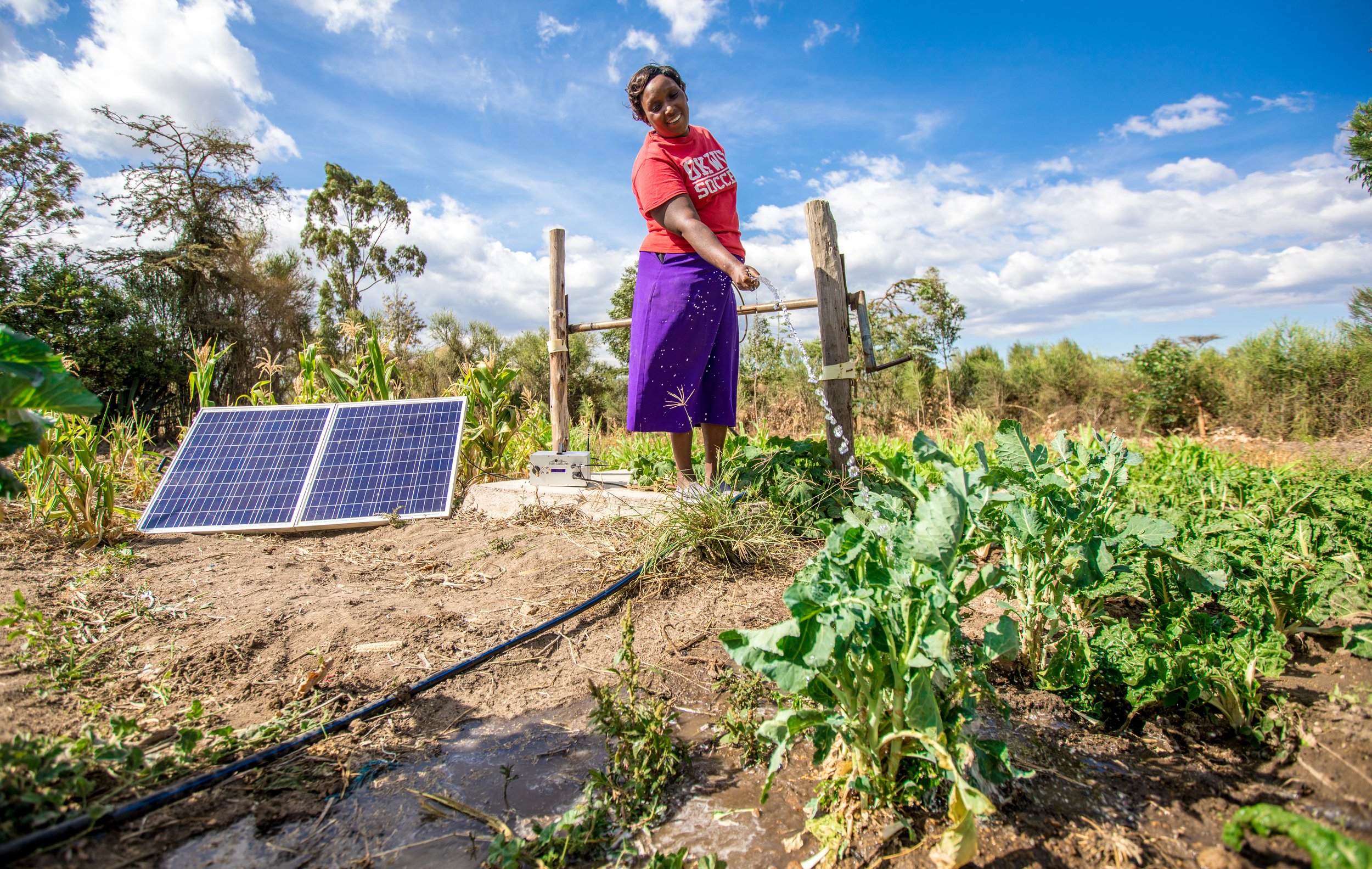
Company Summary: SunCulture empowers smallholder farmers with solar irrigation. Based in Nairobi, Kenya, they design, manufacture, sell, and distribute solar-powered irrigation solutions, which makes it cheaper and easier for farmers to grow high-value fresh fruits and vegetables. Their irrigation kit is a highly efficient drip-irrigation system that delivers the right amount of water to each crop and can increase yields by more than 300 percent.
AMF's Partnership: AMF provides SunCulture with TA through the WE4F program. This TA enables the company to strengthen leadership capacity of its middle management. Specifically, through three training modules, middle managers are trained in gender-inclusive learning and development so they can not only strengthen their own leadership skills, but elevate their teams too. In total, 34 middle managers have completed 2 modules while 22 managers have finished all three modules. Important outcomes already emerged from this TA, including improved performance from the trained management team, which can strengthen the company’s profitability and attractiveness to prospective investors.
Sustainable Food & Agriculture


Company Summary: Asili Farms Limited (‘Asili’) is one of several businesses owned and operated by Agilis Partners, which has a mission to empower Ugandans to feed Africa through sustainable farming, harvesting, and processing maize, soybean, and (to a lesser extent) sunflower. Through its work, Asili pioneers climate-smart agriculture practices in Uganda and built a farming model that yields food, raw materials, and improves climate resilience.
AMF's Partnership: Asili receives TA from AMF through the WE4F and DeveloPPP programs. For WE4F, they aim to substantiate their carbon revenue model through developing: 1) a desktop study and field analysis, 2) a smallholder carbon aggregation model, and 3) a feasibility study focused on the eligibility of a carbon farming program. This supports improvements in Asili's climate-smart farming practices and allows them to demonstrate the superiority of climate-smart farming practices. The study was completed this year with a pre-feasibility report received. Through DeveloPPP, Asili is mainstreaming gender equity into its business operations by implementing three gender and business-smart strategies. These will boost employee satisfaction and perceptions about equal opportunity, increase women representation, and increase the number of women farmers benefiting from its extension services


Company Summary: GOT IT is a produce processing and distribution company, which was founded in Rwanda in 2014. The company supplies safe produce to hotels, high-end lodges, restaurants, embassies, and catering kitchens. GOT IT partners with local small-scale farmers to advise and assist them in practicing sustainable agriculture methods.
AMF's Partnership: AMF provides GOT IT with TA through the WE4F program. For this, they are installing submersible solar powered pumps and storage tanks to drip irrigate the land. This will create consistent water supply, year round, which enables farmers to produce high-quality crops in consistent quantities. Additional benefits from this program include providing employment to more people, upskilling farmer labor, increasing overall production and revenue from higher sales, and presenting more attractive financial figures to investors.

Company Summary: Based in Kenya, Olivado EPZ (’Olivado’) sources fresh avocados from smallholder farmers and processes them into cold-pressed extra virgin avocado oil. Their organic oil is Fairtrade certified (thus ensuring ethical working conditions) and food-grade, while the rest of their oil (i.e. 'conventional oil') is sold to manufacturers for cosmetic use. Olivado provides advance payments to help farmers meet their immediate needs and emergencies (such as medical bills and school fees). In total, 38% of the Olivado's suppliers are women and 100% are rural. Olivado also operates a circular economy factory. There, the avocado pulp and liquid waste is fed into a bio-digester to produce methane, which powers a generator to electrify the facility. Biogas from this process is also converted into compressed natural gas (CNG), which serves as an alternative fuel for vehicles, while the effluent is used to produce fertilizer that is sold to their supplier farmers at a discount.
AMF's Partnership: Olivado receives TA under the WE4F program to: 1) identify potential clients for avocado/mango powders and to forecast a market demand for their products, 2) select prospective clients for sampling, and 3) obtain feedback on product quality and pricing while providing summary reports and recommendations on next steps to implement market expansion plans. This will help Olivado to expand its clientele and suppliers, provide more stable income to farmers, and strengthen their pitch to investors. For DeveloPPP, Olivado is introducing a gender and business-smart strategy, which focuses on building capacity of its technical team to support women in its farmer network.


Company Summary: Twiga Foods ('Twiga') is a business-to-business marketplace platform that sources produce directly from farmers and delivers it to urban retailers at below-market prices. Twiga provides a complete supply chain for a variety of products including bananas, avocados and cabbages. Founded in 2014, Twiga has experienced fast-paced growth, and it is currently the largest distributor of fresh produce in Kenya.
AMF's Partnership: Twiga receives TA from AMF under the DeveloPPP program and is implementing two gender and business-smart strategies as part of this. Both strategies are designed to drive uptake of Twiga’s 'Sokoloan' product (which provides much needed working capital for African retailers through a ‘Buy Now, Pay Later’ program) among women vendors. This is expected to improve marketing funnel metrics among women farmers including reach, lead generation, and associated product benefits. Twiga expects this TA will translate into more women vendors taking Sokoloans. Consumer research has already been executed, with insights used to inform next steps.
Circular Economy

Company Summary: Mr. Green Africa is on a mission to get plastic waste off the streets in Kenya and to turn it into high-quality post-consumer recycled (PCR) pellets for reuse. They work with a network of 2,500+ waste pickers who source the plastics and operate a processing facility, which turns the plastic into PCR pellets. Since founding in 2014, Mr. Green Africa has grown and they have established partnerships with various corporations such as Unilever.
AMF's Partnership: Mr. Green Africa receives TA from AMF under the DeveloPPP program to implement two gender and business-smart strategies. These are both designed to boost their supply of plastic while simultaneously creating opportunities for women. Currently, only 23% of Mr. Green Africa's total waste pickers are women and 27% of total staff. Mr. Green Africa expects this TA support will enable them to boost perceptions that waste picking is a suitable role for women while increasing its number of women suppliers and staff through targeted messaging, training and recruitment. Mr. Green Africa also expects this will drive registrations among women for its consumer platform.

Sustainable Manufacturing


Company Summary: Moko Home + Living (‘Moko’) was founded in Kenya in 2015 and creates tailored products (95% of which are made from recycled materials) that offer quality at an attractive price point. The company sells mattresses (17% of revenue), sofa sets (3% of revenue), cushions (50% of revenue), and fiber materials (26% of revenue). Moko also extends credit to entrepreneurs by offering a 30 to 45-day payment window for furnishing materials and supplies. This allows artisans to use proceeds from sales to pay (rather than their own limited capital). Since founding, Moko has grown to 200+ employees and 25,000+ products sold along 3 product lines. Additionally, by providing affordable and high-quality furnishing materials to artisans on credit, Moko supports 160+ small enterprise artisan businesses in over 40 cities across Kenya, which indirectly sustains 5,000 jobs in the sector.
AMF's Partnership: Moko receives TA via the DeveloPPP program to mainstream gender into its operations. For this, they are developing a strategy to address the risk of sexual harassment in the workplace. An employee survey is planned to be carried out to gather insights on this, with findings informing next steps.
SMEs that AMF has worked with in the past

Agsol
Agsol is a start-up company that manufactures leading-edge, solar-powered, agro-processing machines for off-grid farming communities. Through TA provided by AMF, Agsol developed a custom motor for their MicroMill unit. It included a fully custom motor tailored for off-grid solar agro-processing.

ANKA
ANKA specializes in developing renewable energy solutions to create strong, sustainable and resilient local economies in Africa. With AMF, ANKA conducted a feasibility study on an ‘AgriGrid Model,’ which integrates mini-grid electrification with agribusiness opportunities in rural communities.

Apollo Agriculture
Apollo Agriculture is a technology company based in Nairobi that helps small-scale farmers maximize their profits. In partnership with AMF, Apollo created a strategy to integrate solar pumps into their portfolio of products while also gathering gender-based data to improve the business.

CorpoCampo
CorpoCampo specializes in the production and distribution of acai berries and palm hearts, with all products derived from sustainable farming practices. With AMF, CorpoCampo held a feasibility study that identified ways to convert the company's main processing plant to use renewable energy sources.

Fundacion Espoir
Fundacion Espoir offers microfinance services, combined with health and education services. In partnership with AMF, Fundacion Espoir conducted gender-based research and identified ways to better serve female customers and promote gender-inclusive recruitment and retention.

Good Nature Agro
Good Nature Agro works with smallholder farmers to produce legumes (soybeans, groundnuts, beans and cowpeas) for seed and export. Through AMF’s TA, they conducted a solar energy irrigation pilot program to analyze the potential of creating an additional growing season (during the dry season).

Insotec
Insotec is a microfinance institution working to reach underserved populations and smallholder farmers in Ecuador. With AMF, Insotec carried out a communications campaign and conducted gender-based data. Both of these helped Insotec to better reach and serve women customers and employees.

InspiraFarms
InspiraFarms designs, develops and supplies modular and energy-efficient on-farm and close-to-farm cold rooms and packhouses for the horticultural sector. Together with AMF, InspiraFarms conducted market research and piloted a new storage-as-a-service product offering to better serve its customers.

Kentaste
Kentaste is East Africa's leading producer of coconut products. With AMF, Kentaste conducted a feasibility study, product development research, and gathered gender-based data, which informed new commercial opportunities and ways to better engage women suppliers.

Lohas Beans
Lohas Beans works with smallholder farmers to export certified organic coffee from Colombia. In partnership with AMF, Lohas Beans conducted a solar power feasibility study identifying ways to reduce annual CO2 emissions. This led to 100% of their milling facility’s energy being self-generated.

Phoenix Foods
Phoenix Foods purchases fruits and vegetables from smallholder and medium farmers for export. With AMF, Phoenix Foods conducted gender-based research that identified ways to better promote gender-inclusive recruitment and retention into their organization.

Rent to Own
Rent to Own was founded in 2010 in Zambia to facilitate access to productive assets for smallholder farmers and small-scale entrepreneurs. Through TA provided by AMF, Rent to Own identified ways to adapt to changes sparked by COVID-19 by updating its brand and fundraising efforts.

Sanergy
Sanergy harnesses a circular economy approach to empower cities in building carbon-negative systems that offer safe sanitation. With AMF, Sanergy held a feasibility study and business model review, which led the launch of a full-scale factory in Kinanie with the capacity to process 72,000 tons of waste per year.

Sempli
Sempli is an online lending platform that services small businesses in Colombia. In collaboration with AMF, Sempli conducted gender-based market research and communications. This ultimately led the company to identify new ways to better serve female customers and employees.

Simusolar
Simusolar is an agriculture equipment supplier focused on providing solar-powered products. TA provided to Simusolar by AMF allowed the company to explore ways to enhance its mobile information systems. This led to functionality improvements to its IT system so that it could serve customers more efficiently.
Sistema.bio
Sistema.bio is a social enterprise that provides access to innovative biodigester technology, training and financing to address the challenges of poverty, food security, and climate change. AMF’s gender-smart TA enabled Sistema.bio to increase female participation within the company.

SolarNow
SolarNow is a social enterprise operating in Uganda, which manufactures and sells high-quality solar home systems. With TA from AMF, SolarNow conducted an initial gender-based business assessment to identify ways to strengthen operations and sales at the company.

SuniSolar
Based in Nicaragua, SuniSolar designs and installs renewable energy systems. With support and funding provided by AMF, SuniSolar was able to adapt to the changing situation and challenges caused by COVID-19 so that the company could continue serving its customers.

Tienda Pago
Tienda Pago is a lending platform designed to provide small merchants in emerging markets with mobile cashless payments. In collaboration with AMF, Tienda Pago gathered gender-based data to identify ways to better serve female customers while improving career opportunities for female staff.

Villa Andina
Based in Peru, Villa Andina is a leading certified organic superfood manufacturer and exporter. With AMF, Villa Andina applied a gender lens into their operations, which ultimately enabled the company to promote gender-inclusive recruitment and retention practices.

“The main insight from this initiative with AMF is learning to analyze and contextualize results about perceptions and gender equity. By identifying the different needs that women and men have in the workplace, we’ll be able to create an environment that’s more comfortable for the entire team.”